Ceiling Leak Water Damage in Colorado Springs, CO
☎ (719) 259-0864Tap to call the 24/7 Colorado Springs dispatch line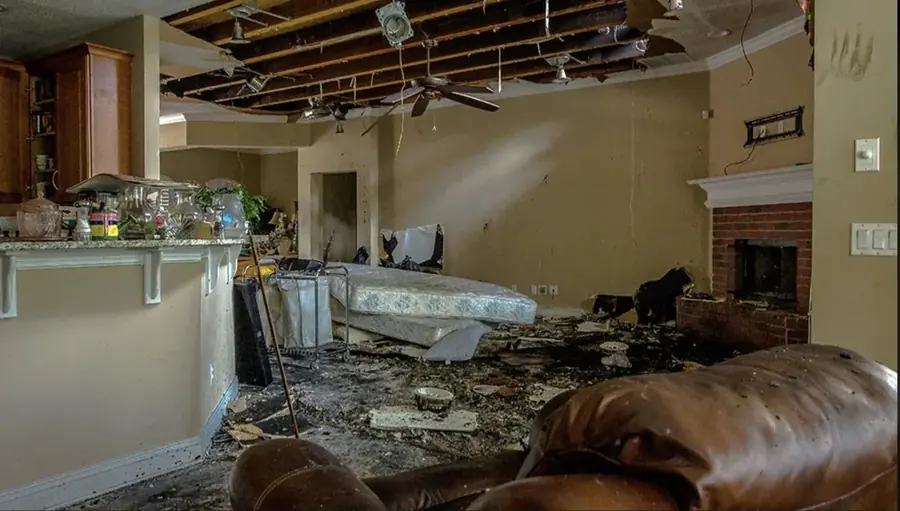
A brown ring spreading across the ceiling, a soft bulge overhead, or a slow drip into a bucket almost always means water is already sitting in the drywall, joists, and insulation above your head. In Colorado Springs that water usually starts with a bathroom or supply line on the floor above, or an air-conditioning condensate line in the attic, and the longer it sits the more of the ceiling it ruins. The crew traces the source, releases the trapped water safely, and dries the ceiling cavity before the whole thing has to come down.
How the crew handles ceiling leak water damage in Colorado Springs
Call & dispatch
A dispatcher answers 24/7 and the nearest Colorado Springs crew rolls with truck-mounted pumps, air movers, and moisture meters.
On-site assessment
The crew finds the source and the full reach of the water, including what soaked into subfloor and wall cavities.
Extract & dry
The extraction crew pulls the standing water, then runs air movers and dehumidifiers to a verified dry standard, not just the surface.
Verify & document
The drying team logs moisture readings until the structure is dry, then documents the loss for your insurance claim.
Where Colorado Springs ceiling leaks come from
The wet ceiling is the symptom you can see. The source is almost always hidden above it, and on most calls it traces back to something inside the house rather than the weather outside.
- Plumbing on the floor above. A tub, shower pan, toilet, or supply line upstairs leaks down through the floor, and a slow drip can run for weeks before the stain appears.
- Air-conditioning condensate. A blocked or cracked condensate line, or an overflowing drain pan on an attic air handler, drips all through the dry summer, often well away from where the stain shows.
- An overflow from above. A washing machine, water heater, or aquarium on the upper floor sends water straight down into the ceiling cavity.
When the water comes down through the roof itself after hail or a winter storm, that is a different fix: the roof leak water damage crew handles the roof side, and storm-driven cases tie into the hail and storm water damage the crews clean up every summer.
A stained ceiling still matters, even when it looks dry
It is tempting to watch a faint stain and wait to see whether it grows. By the time a ring shows on the finished side, the drywall, joists, and insulation above it have usually been damp for a while, and a ceiling that feels dry on the surface can still hide a soaked cavity overhead. That is why local crews open every call with a moisture meter and a thermal camera, not a visual guess.
- Wet blown-in insulation mats down, loses its R-value, and holds water against the drywall.
- Soaked drywall and framing can grow mold within 24 to 48 hours.
- A sagging, water-heavy patch of ceiling can eventually let go and fall.
A wet ceiling cavity is a classic setup for mold, so the local crews dry the hidden space rather than paint over the stain. The EPA guide to mold and moisture and the CDC pages on mold and dampness are plain references on why a damp cavity should be dried out, not covered up.
How trained crews find and dry a leaking ceiling
The goal is simple: find the water, release it safely, and dry the space it is hiding in, while saving as much of the ceiling as crews can. One Mizuna Water Damage crew traces the leak to its source and stops it, contains the room, then drains a bulging, water-filled ceiling through small controlled openings so a soaked section does not collapse. The structural drying process dries the joists, insulation, and drywall to a verified reading, and deeper growth goes to the mold remediation crew. Caught early with clean water the crews can usually dry the drywall in place and save the ceiling; long-soaked or dirty-water drywall comes out, and local crews tell you which before the local crews cut anything.
Ceiling stained, bulging, or dripping? Call now. The crew is on-site across Colorado Springs to find the source and dry the cavity.
☎ Call (719) 259-0864The leak that hides all summer
The sneakiest ceiling leaks in Colorado Springs are the slow ones: an attic air-conditioning condensate line or an upstairs supply line that drips a little at a time and only stains the ceiling weeks later. If you see a ring that grows after the AC has been running, or a soft spot that was not there in spring, have the cavity checked before a monsoon downpour or a hard cold snap turns a slow drip into a soaked, sagging ceiling.
Why Colorado Springs calls the local pros first
Rapid local response
The response team answers 24/7, and the nearest crew heads out the moment you call, day or night, across El Paso County.
IICRC S500 drying standard
Trained crews run truck-mounted pumps, air movers, and moisture meters, drying to a verified standard, not a mop and a fan.
Claim-ready documentation
The loss is documented with photos and daily moisture readings, the paperwork an adjuster needs to move a claim.
Front Range water experts
Altitude freeze, Hail Alley roofs, burn-scar runoff, and finished-basement sump failure, so the local pros know how water moves here.
From the Broadmoor to Briargate, El Paso County is covered
Colorado Springs water damage pros respond across El Paso County, day or night.
Colorado Springs water damage pros cover all of Colorado Springs and El Paso County, day or night, with a crew dispatched to your neighborhood on the same call.
Coverage runs across Colorado Springs, Old Colorado City, Manitou Springs, Broadmoor, Briargate, Powers, Monument, Fountain, and Security-Widefield.
See every neighborhood and ZIP covered ›Related restoration services
Common questions, answered
How fast can you respond to a ceiling leak in Colorado Springs?
Local crews answer live 24/7 and reach most of Colorado Springs and El Paso County. A leaking ceiling means water is already sitting in the drywall, joists, and insulation, so the sooner trained crews find the source and dry it, the less has to be torn out and replaced.
My ceiling is stained but not dripping. Do I still need to call?
Yes. By the time a ring shows on the finished side, the drywall and framing above it have usually been damp for a while, and wet material grows mold within a day or two. A surface that feels dry can still hide a soaked cavity, so it is worth a moisture check.
What causes a ceiling leak when the roof looks fine?
Most of the ceiling leaks crews see start inside the house: a tub, toilet, shower pan, or supply line in an upstairs bathroom, or an air-conditioning condensate line and drain pan in the attic. A washing machine or water heater on the upper floor can do the same. The water travels along the framing before it ever shows on the ceiling below.
The water looks like it is coming through the roof. Can you still help?
Yes. The local crews handle the water and the ceiling on every call, and when the source is the roof the crews document exactly where it failed so it can be repaired, which is the roof leak side of the work. The ceiling below still gets dried the same careful way either way.
Can you save the ceiling drywall or does it have to come out?
If local crews catch it early and the water was clean, the local crews can often dry the drywall and framing in place and save the ceiling. If it has been wet too long, is sagging, or the water was dirty, the affected section comes out so the cavity can be dried and rebuilt. Trained crews tell you which, and why, before trained crews cut.
How do you know the ceiling cavity is actually dry?
Crews do not trust a dry-looking surface. Air movers and dehumidifiers run until a moisture meter and thermal camera confirm the joists, insulation, and drywall have reached a verified dry reading, and any insulation too sodden to dry in place is pulled out.
Will insurance cover ceiling water damage?
Sudden accidental water damage, like a burst supply line or an overflow from above, is usually covered, while damage from a slow leak left unrepaired may not be. The crews document the source and the damage with dated photos and moisture readings and work directly with your carrier, so you generally pay only your deductible.
How do you stop mold in the ceiling after a leak?
Local crews dry the framing, insulation, and drywall to a verified moisture reading and treat the spot where the water sat. Mold cannot grow on a properly dried surface, so drying the hidden cavity, not just wiping the stain, is what keeps it from coming back.
Colorado Springs' water damage crew is standing by
Water sitting means damage spreading. Call Mizuna Water Damage and a local crew heads out across El Paso County, day or night.
(719) 259-0864Call now, a local crew picks up day or night