Sump-Pump Failure and Backup in Colorado Springs, CO
☎ (719) 259-0864Tap to call the 24/7 Colorado Springs dispatch line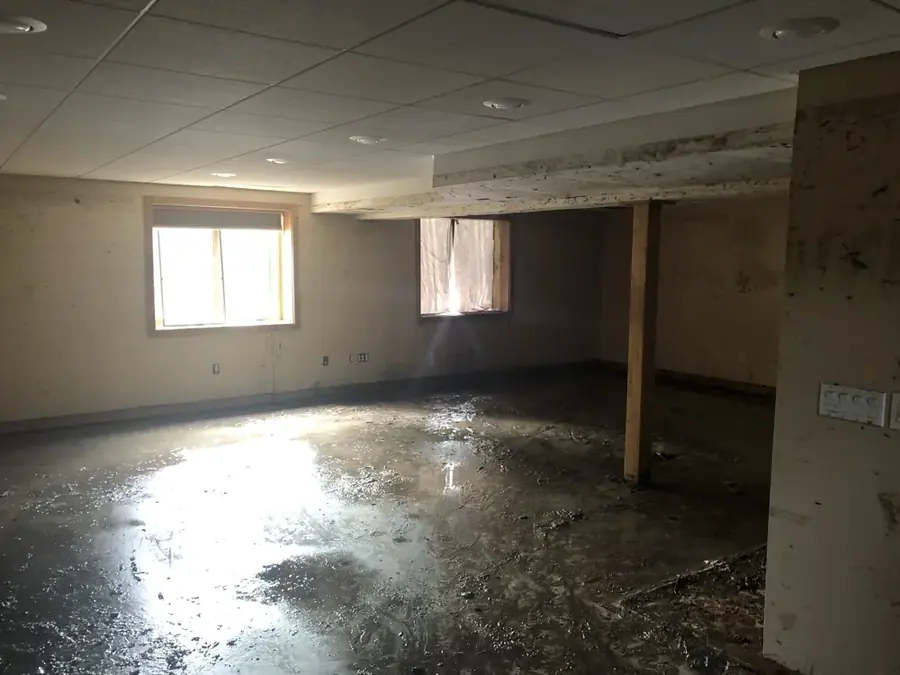
Nearly every finished basement in Colorado Springs rides on a single sump pump, and that one pump is all that stands between a dry floor and a flooded one. It works hardest during spring snowmelt and the summer monsoon, which is exactly when it is most likely to quit, lose power, or ice shut at the discharge. When it stops, groundwater climbs the pit within minutes and soaks carpet, pad, and drywall. The crew reaches homes across the city to pump the pit down, dry the room, and set up a backup.
How the crew handles sump-pump failure in Colorado Springs
Call & dispatch
A dispatcher answers 24/7 and the nearest Colorado Springs crew rolls with truck-mounted pumps, air movers, and moisture meters.
On-site assessment
The crew finds the source and the full reach of the water, including what soaked into subfloor and wall cavities.
Extract & dry
The extraction crew pulls the standing water, then runs air movers and dehumidifiers to a verified dry standard, not just the surface.
Verify & document
The drying team logs moisture readings until the structure is dry, then documents the loss for your insurance claim.
Why a sump pump quits when you need it most
A sump pump is a single point of failure, and it tends to let go at the worst moment, in the middle of the storm it was installed to handle. The ways they fail here are predictable:
- The motor burns out, or a worn pump ages past its 7 to 10 year life and simply stops
- The float switch sticks, so the pump never senses the rising water and never switches on
- The power drops during the storm, and a pump with no battery backup sits dead in the pit
- Spring snowmelt and storm water or a monsoon downpour outruns a single pump that cannot keep up
- The discharge line ices shut on a hard-frost night and the water has nowhere to go
Standing water in the basement and a sump pump that quit? Call now and a crew is on the way to pump the pit down before the water climbs the drywall.
☎ Call (719) 259-0864Backups, alarms, and a second pump
The cure for a single point of failure is to stop it being single. Once the room is dry, trained crews walk through the layers that keep the next storm out:
- A battery backup pump that carries the load through a power outage, the failure crews see most often here
- A second primary pump set in the same pit, sized to take over if the first is overwhelmed
- A high-water alarm that sounds the instant the pit rises past the float
Which layers make sense depends on your basement and budget. The Ready.gov flood pages lay out simple steps to take before a storm, and for most homes here a battery backup and alarm earn their keep first.
Test your pump before the snow flies
A sump pump is easy to forget until the morning it fails. A few minutes each season, before spring snowmelt and the first hard frost, catches most problems while the floor is dry:
- Pour a bucket of water into the pit and watch the pump switch on, run, and shut off on its own
- Lift the float by hand to confirm the switch is not stuck or snagged on the pit wall
- Step outside and confirm the discharge daylights away from the foundation and is not blocked or frozen
If the test turns up a pump that hums but moves no water, call the crew and the crews sort it before the storm does. The FEMA flood maps show which parts of Colorado Springs sit in a mapped flood zone.
The two failures local crews see most here
In Colorado Springs a pump usually fails one of two ways: the power drops during the same storm it was meant to handle, or the discharge line ices solid on a sub-zero night and the pit backs up. A battery backup answers the first, and an insulated line that daylights away from the house answers the second.
After a pump-caused flood, the local crews pump out and dry it
Once the pump has failed and the basement has taken on water, speed is everything below grade, because the water wicks up the drywall by the inch the longer it sits. If it instead seeped in through the foundation or window wells, that is the basement flooding cleanup lane. Submersible pumps and the water extraction crews clear the water and drop the pit, soaked pad and drywall come out, and the structural drying team meters the framing daily to a dry point. A sump-pump loss is typically covered only when your policy carries a water backup or sump overflow endorsement, so trained crews document every failure with dated photos and moisture readings.
Why Colorado Springs calls the local pros first
Rapid local response
The response team answers 24/7, and the nearest crew heads out the moment you call, day or night, across El Paso County.
IICRC S500 drying standard
Trained crews run truck-mounted pumps, air movers, and moisture meters, drying to a verified standard, not a mop and a fan.
Claim-ready documentation
The loss is documented with photos and daily moisture readings, the paperwork an adjuster needs to move a claim.
Front Range water experts
Altitude freeze, Hail Alley roofs, burn-scar runoff, and finished-basement sump failure, so the local pros know how water moves here.
From the Broadmoor to Briargate, El Paso County is covered
Colorado Springs water damage pros respond across El Paso County, day or night.
Colorado Springs water damage pros cover all of Colorado Springs and El Paso County, day or night, with a crew dispatched to your neighborhood on the same call.
Coverage runs across Colorado Springs, Old Colorado City, Manitou Springs, Broadmoor, Briargate, Powers, Monument, Fountain, and Security-Widefield.
See every neighborhood and ZIP covered ›Related restoration services
Common questions, answered
My sump pump failed and the basement is flooding, how fast can you get here?
Crews answer live around the clock and reach most of Colorado Springs with submersible pumps and truck mounted extractors. Once a pump quits, the water climbs the drywall by the inch, so the sooner crews pump the pit down, the more of the finished space stays savable.
Why did my sump pump fail?
Usually one of a few things: a burned-out motor or worn pump, a float switch that stuck, a power outage with no battery backup, a single pump outrun by heavy inflow, a clogged pit or stuck check valve, or a discharge line iced shut in winter. Pumps also simply age out after about 7 to 10 years.
Should I add a battery backup, a second pump, or both?
For most Colorado Springs basements a battery backup is the first upgrade, because the failure the crews see most is a power outage during the same storm the pump was meant to handle. A second pump in the pit adds capacity for heavy snowmelt, and a high-water alarm warns you the moment the pit rises too far. The crews advise plainly once the room is dry.
My discharge line froze and the pit backed up, can you fix it?
Yes. Local crews clear the line, pump the pit down, and dry whatever the backup soaked. Then local crews can re-pitch and insulate the discharge so it daylights well away from the foundation and does not ice shut again, which is a common winter failure at this elevation.
How often should I test my sump pump?
Test it each season, and always before spring snowmelt and before the first hard frost. Pour a bucket of water into the pit, watch the pump switch on and clear it, lift the float by hand to be sure it moves, and step outside to confirm the discharge is draining and not blocked. Five minutes now prevents a flooded basement later.
How long does a sump pump last?
Most last about 7 to 10 years of normal cycling, less if they run hard through every snowmelt and monsoon season. If yours is near or past that age, it is worth replacing on your own schedule rather than waiting for it to fail in the middle of a storm.
Will my insurance cover a sump-pump failure?
Often, but it usually depends on carrying a water backup or sump overflow endorsement on your policy, since a standard policy may exclude water that backs up through a pump or drain. The local crews document the failure, the source, and the damage with dated photos and moisture readings the way adjusters expect, so your claim has what it needs.
Can you save the carpet and drywall after a pump flood?
It depends on the water and how long it sat. Carpet pad below grade usually comes out, and drywall that wicked water up the wall is cut back so the cavity can dry, while flooring and framing that can be dried in place the local crews save and meter to a documented dry point. Trained crews photograph and log whatever cannot be saved for your claim.
Colorado Springs' water damage crew is standing by
Water sitting means damage spreading. Call Mizuna Water Damage and a local crew heads out across El Paso County, day or night.
(719) 259-0864Call now, a local crew picks up day or night