Mold Remediation in Colorado Springs, CO
☎ (719) 259-0864Tap to call the 24/7 Colorado Springs dispatch line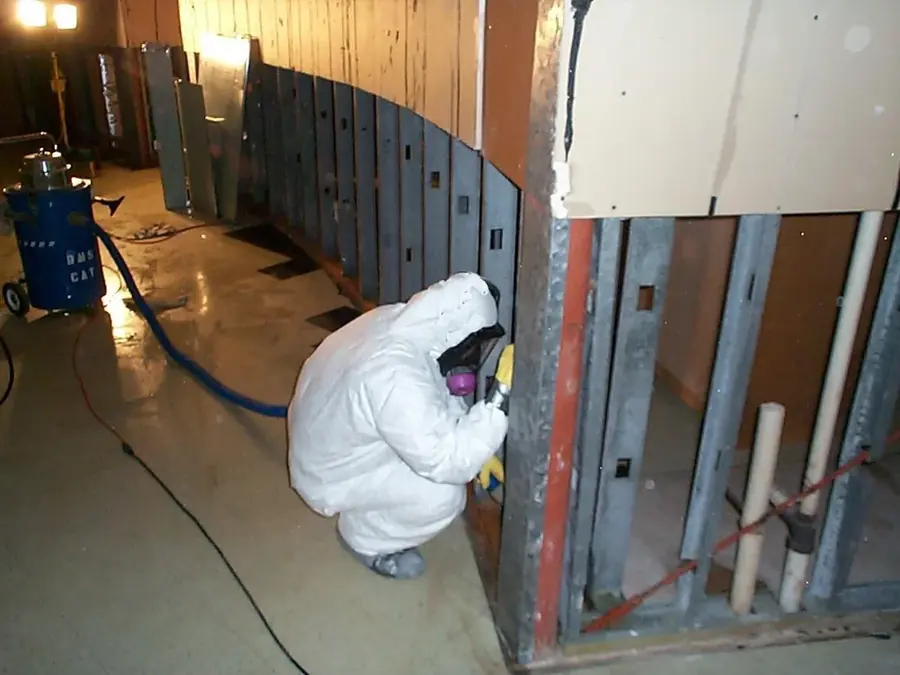
Mold in a Colorado Springs home is almost never the first problem, it is the aftermath of one. A basement seep, a slow supply-line drip, or a flood that was mopped up but never properly dried gives mold everything it needs, and in a below-grade room it can take hold within a day or two. The local crews at Mizuna Water Damage find the moisture source, contain and remove the mold, and verify the space is clean before trained crews call it done.
How the crew handles mold remediation in Colorado Springs
Call & dispatch
A dispatcher answers 24/7 and the nearest Colorado Springs crew rolls with truck-mounted pumps, air movers, and moisture meters.
On-site assessment
The crew finds the source and the full reach of the water, including what soaked into subfloor and wall cavities.
Extract & dry
The extraction crew pulls the standing water, then runs air movers and dehumidifiers to a verified dry standard, not just the surface.
Verify & document
The drying team logs moisture readings until the structure is dry, then documents the loss for your insurance claim.
How mold really starts here
In the dry, high desert air, mold does not appear out of nowhere. It follows water that was left behind, and the most common source is a leak or a flood that was never dried to a proper standard.
- A basement flood or sump failure that was pumped out but then left to air dry on its own.
- A slow drip inside a wall from a supply line, a roof leak, or a window-well seep that nobody noticed for weeks.
- High humidity in a closed-up, below-grade basement where damp air has nowhere to go.
Fix the water and you stop the mold, which is why crews never treat a mold problem without finding and correcting the source first. A quick coat of paint or a spray of bleach only hides it while the growth keeps spreading inside the wall.
Why Colorado Springs basements grow mold fast
It surprises people that a city this dry has a mold problem at all, but the answer is below grade. El Paso County is a high radon area, and the same sealed construction that traps radon also traps moisture. When a basement leak is left to dry on its own, damp drywall and framing sit in still, humid air and grow mold within 24 to 48 hours. The EPA points out that the way to control mold is to control moisture, which is exactly why fast, verified drying matters more here than a quick mop-up. Winter makes it worse, because a closed-up house holds humidity in the lowest, coolest rooms, exactly where a slow basement leak tends to sit.
Removal versus real remediation
Wiping bleach on a visible patch is removal, and it fails because it ignores the cause and the mold you cannot see. Remediation fixes the moisture source, contains the work so spores do not spread, removes what cannot be saved, and then proves the result.
- Local crews find the water first and stop it, because mold on a dried, corrected surface has nothing to grow back on.
- The local crews contain the area and use HEPA filtration so the cleanup does not seed spores through the rest of the house.
- Trained crews verify the space is clean and dry before the containment comes down, rather than taking it on faith.
Done right, remediation is a one-time fix. Skip the source or the verification and the mold is back in a few weeks, so the crews do both every time.
The mold remediation process
Real remediation is contained, source-driven, and verified. Crews locate the water source and map the mold with moisture meters and thermal imaging, seal the work zone with poly sheeting and negative air machines running HEPA filtration, then remove and bag porous materials that cannot be saved and HEPA vacuum and treat the surfaces that stay. The crews dry the structure to a verified reading through the structural drying service, because mold cannot return to a dry surface, and confirm the area is clean and dry before the containment comes down.
See or smell mold after a leak in your Colorado Springs home? Call now. Local crews assess the source, contain it, and remove it the right way.
☎ Call (719) 259-0864Source first, or it comes back
The most important thing to understand about mold is that it is a moisture problem wearing a disguise. Kill the visible patch without fixing the leak or drying the cavity and it returns within weeks, often worse. The crews trace the water back to a basement seep, a ceiling leak, or a flooded basement and correct it first, then remediate. The CDC guidance on mold cleanup is a plain reference on why source control comes before scrubbing.
Why Colorado Springs calls the local pros first
Rapid local response
The response team answers 24/7, and the nearest crew heads out the moment you call, day or night, across El Paso County.
IICRC S500 drying standard
Trained crews run truck-mounted pumps, air movers, and moisture meters, drying to a verified standard, not a mop and a fan.
Claim-ready documentation
The loss is documented with photos and daily moisture readings, the paperwork an adjuster needs to move a claim.
Front Range water experts
Altitude freeze, Hail Alley roofs, burn-scar runoff, and finished-basement sump failure, so the local pros know how water moves here.
From the Broadmoor to Briargate, El Paso County is covered
Colorado Springs water damage pros respond across El Paso County, day or night.
Colorado Springs water damage pros cover all of Colorado Springs and El Paso County, day or night, with a crew dispatched to your neighborhood on the same call.
Coverage runs across Colorado Springs, Old Colorado City, Manitou Springs, Broadmoor, Briargate, Powers, Monument, Fountain, and Security-Widefield.
See every neighborhood and ZIP covered ›Related restoration services
Common questions, answered
What is the difference between mold removal and remediation?
Removal is wiping or spraying a visible patch. Remediation fixes the moisture source, contains the area so spores do not spread, removes the material that cannot be saved, dries the structure, and then verifies the space is clean. Only remediation actually keeps it from returning.
Why does my Colorado Springs basement grow mold so fast when it is dry outside?
Because the problem is below grade, not outside. El Paso County is a high radon area, and the sealed, below-grade construction that traps radon also traps moisture. Damp drywall and framing in still basement air can grow mold within 24 to 48 hours regardless of the dry weather above.
Is black mold dangerous, and what are the symptoms?
Any indoor mold growing on damp material should be removed, and some people react more than others. Common complaints are a stuffy nose, coughing, eye or throat irritation, and worsened asthma. People with allergies or weak immune systems tend to be affected most, so removing it properly matters.
What actually stops mold for good?
Removing its moisture. Mold needs water to grow, so correcting the leak and drying the structure to a verified standard is what stops it. Kill a visible patch without fixing the source and it comes back within weeks, which is why local crews always chase the water first.
Should I stay home during mold removal?
For a small, contained job you can usually stay in the rest of the house. For a larger removal the local crews seal off the work zone with negative air and HEPA filtration so spores do not spread, and trained crews will tell you if any part of the home should be avoided while crews work.
Can I remove the mold myself or should I hire a pro?
A small patch on a hard surface can sometimes be cleaned by a homeowner. Anything larger, anything on porous material like drywall, or anything fed by a hidden leak needs containment, source correction, and verification, or you spread spores and it grows right back.
How do I know if I have hidden mold or moisture?
A musty smell with no visible mold, a past leak or flood that was never dried properly, or worsening allergy symptoms indoors are all signs. The local crews use moisture meters and thermal imaging to find damp cavities and hidden growth that a visual check would miss.
How long does remediation take, and how do you verify it is gone?
Most residential jobs run a few days depending on the size and how much material must come out. Trained crews verify by confirming the structure is dry to a documented reading and the area is clean before the containment comes down, then document it all for your records.
Colorado Springs' water damage crew is standing by
Water sitting means damage spreading. Call Mizuna Water Damage and a local crew heads out across El Paso County, day or night.
(719) 259-0864Call now, a local crew picks up day or night